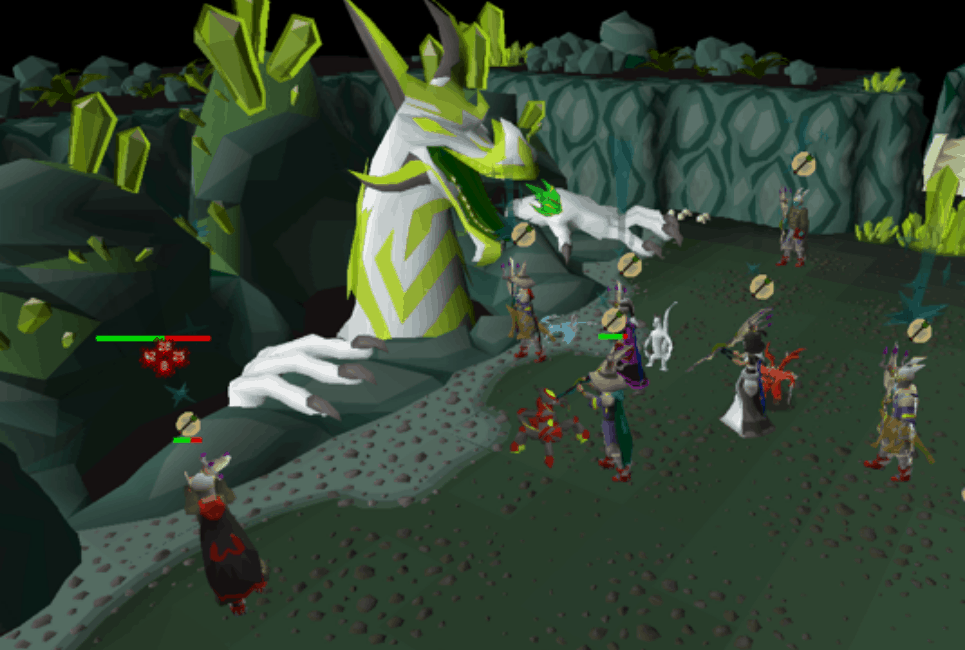
Online gaming has evolved into a massive global industry, reshaping entertainment, community, and competition. In 2024 and into 2025, gaming is more vibrant and interconnected than ever, marked by major game releases, content updates, and a thriving esports scene. Recent advancements in cloud gaming and AI have enhanced accessibility and immersion, catering to a wide range of activities from competitive esports and immersive role-playing to casual mobile games and online casino experiences.
Key Trends Dominating the Landscape
The online gaming ecosystem is in a continuous state of flux, driven by both player demand and rapid technological innovation. Several key trends have solidified their dominance in 2024-2025:
- Cross-Platform Play and Progression: The walls between gaming platforms continue to crumble. More and more online titles are embracing full cross-play, allowing friends to game together regardless of whether they’re on PC, PlayStation, Xbox, or Nintendo Switch. Beyond just playing, cross-progression ensures that a player’s achievements, unlocks, and purchases seamlessly transfer between devices, offering unparalleled flexibility and convenience. This commitment to inclusivity is a major driver of engagement.
- The Ascendancy of Cloud Gaming: Cloud gaming is no longer a futuristic concept; it’s a rapidly expanding reality. Services like Xbox Cloud Gaming and NVIDIA GeForce Now have seen significant user surges in 2024-2025. These platforms allow players to stream high-end games directly to a multitude of devices—from smartphones and tablets to smart TVs and low-end PCs—without the need for expensive dedicated hardware. This democratizes access to premium titles, making high-quality gaming experiences available to a much broader audience, especially with advancements in 5G networks further reducing latency for mobile users.
- AI Integration: Smarter Games, Deeper Worlds: Artificial intelligence is revolutionizing online game development and player experiences. In 2024-2025, AI is being leveraged to create more realistic and adaptive Non-Player Characters (NPCs) that react dynamically to player actions and environments. Generative AI is also being explored to create vast procedural content, unique quests, and dynamic storylines, ensuring fresh experiences even in long-running online worlds. Furthermore, AI is enhancing matchmaking systems for fairer competition and bolstering anti-cheat measures, contributing to a healthier online environment.
- Mobile Gaming’s Unstoppable Momentum: Mobile gaming continues to dominate the overall gaming market in terms of revenue and player base. Improved smartphone technology, faster mobile internet speeds, and the proliferation of free-to-play models with engaging in-app purchases have kept mobile titles at the forefront. The competitive mobile esports scene is also rapidly expanding, proving that high-stakes online gaming isn’t confined to consoles or PCs.
Major Releases & Content Updates (2024-2025)
The past year has delivered a diverse array of new online experiences and substantial updates to beloved titles:
- New Contenders: While many highly anticipated games like “Monster Hunter Wilds” and “Split Fiction” (co-op focused) are making waves, one of the unexpected breakout hits of early 2024 was “Palworld.” This survival-crafting and monster-taming game with optional online co-op quickly garnered massive attention for its unique blend of mechanics, showcasing the power of emergent gameplay loops. Other noteworthy co-op and multiplayer releases or highly anticipated titles include “Helldivers 2” (a massive co-op success) and the ongoing excitement for games like “Borderlands 4.”
- Evolving Giants: Established online multiplayer titles continued to thrive through significant seasonal updates and expansions. Games like “Fortnite,” “Apex Legends,” “Call of Duty: Warzone,” “League of Legends,” and “Counter-Strike 2” consistently introduced new maps, characters, gameplay modes, and narrative arcs, keeping their massive player bases engaged. “Minecraft” also received more updates, adding new biomes and materials, reinforcing its status as an endless creative sandbox. These live-service models continue to prove their longevity by constantly refreshing content.
The Esports Arena: Bigger, Broader, and More Inclusive
Esports continued its trajectory of explosive growth in 2024-2025, solidifying its position as a mainstream spectator sport.
- Expanded Tournaments: The Esports World Cup (EWC) 2025 in Riyadh, Saudi Arabia, is a prime example of this expansion. As an evolution of the previous Gamers8 event, the EWC 2025 features an expanded format with more games (including Call of Duty: Black Ops 6, Valorant, Dota 2, League of Legends, and Mobile Legends: Bang Bang) and significantly increased prize pools. This multi-game tournament attracts top-tier talent and massive viewership, underscoring the professionalization of competitive gaming.
- Mobile Esports Ascends: The mobile esports scene gained even more traction, with major tournaments for titles like Mobile Legends: Bang Bang, Free Fire, and PUBG Mobile drawing colossal audiences, particularly in Asia. This trend highlights the increasing accessibility and affordability of competitive gaming on mobile devices.
- Mainstream Acceptance: The discussion around esports’ inclusion in major sporting events and the continued investment from non-endemic brands signal its growing cultural acceptance and economic viability. Co-streaming by popular influencers also became a norm, significantly boosting viewership and diversifying the audience.
Challenges and the Road Ahead
While the online gaming world flourishes, it also grapples with ongoing challenges. Issues like in-game toxicity, responsible monetization practices (especially with the dominance of free-to-play and in-app purchases), and promoting healthy gaming habits remain central to industry discussions. Player welfare, particularly for professional esports athletes facing demanding schedules, is also receiving increased attention.
Looking forward, the integration of cutting-edge graphics technologies, further advancements in virtual reality (VR) and augmented reality (AR) for more immersive online experiences, and the ongoing exploration of blockchain and Web3 concepts (though with mixed reception) are set to continue shaping the online gaming landscape. The industry’s focus remains on delivering ever more engaging, accessible, and community-driven experiences.
In essence, 2024-2025 has been a testament to the online gaming industry’s remarkable dynamism. It’s a space where technological innovation meets boundless creativity, continuously pushing the boundaries of interactive entertainment and fostering vibrant global communities that thrive on competition, collaboration, and shared digital adventures.